Prosecution Record
Key Facts
Issues Raised
Prosecutorial Conduct at Issue
Advocate-Witness Rule
AUSA Giovannelli received the privileged July 10 email directly from Grimm, making him a de facto witness to its provenance. With Grimm disbarred and unable to testify, Giovannelli became the "silent witness" for the email's reliability — yet remained as trial counsel.
Vindictive Prosecution
The superseding indictment adding a second BRA count was filed one week after the defendant filed a speedy trial motion criticizing Giovannelli's failure to pursue extradition. The facts underlying the second count were known since 2018.
Use of Privileged Communication
The privileged July 10 email was used to secure two indictments and attached to multiple pretrial filings. By the time the defendant referenced it, its confidentiality had already been "eviscerated by the government's own repeated, improper disclosures."
Extradition Failure
On September 14, 2018, AUSA Giovannelli told the court "our office is working on extradition." On November 25, 2020, DOJ formally declared "no intent to seek defendant's extradition." Over four years elapsed with no meaningful effort.
Chronology
Prosecution Timeline
"When a prosecutor is personally involved in the discovery of a critical piece of evidence, when that fact is made evident to the jury, and when the reliability of the circumstances surrounding the discovery of the evidence is at issue, the prosecutor's participation in the trial constitutes a form of improper vouching."
— United States v. Edwards, 154 F.3d 915, 923 (9th Cir. 1998)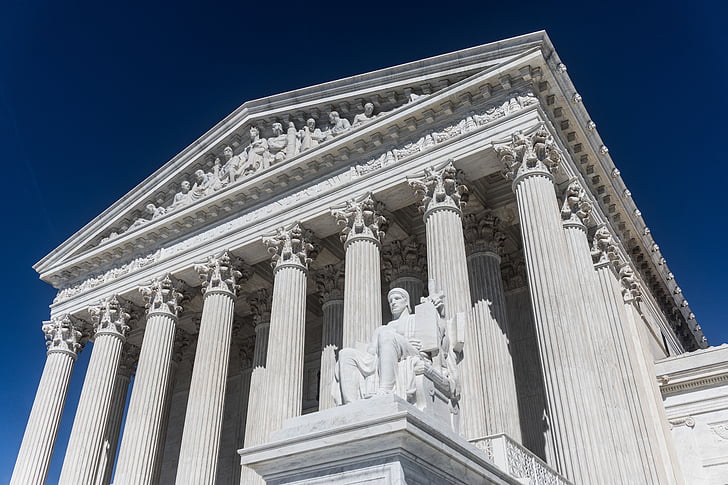
US Supreme Court — The standard of prosecutorial conduct | Public Domain
The prosecutorial conduct documented in this case — receiving privileged communications, filing retaliatory indictments, abandoning extradition obligations, and refusing disqualification — is not an isolated incident. National media has documented a DC court system where vacancy-driven dysfunction creates conditions for exactly these kinds of failures to go unchecked.
AUSA Giovannelli told the court he was "working on extradition" on September 14, 2018. DOJ declared "no intent to seek extradition" on November 25, 2020. That is 803 days of government inaction — over 2 years where the defendant's speedy trial rights accumulated daily.
Key Terms
Prosecution Issues at a Glance
Evidence